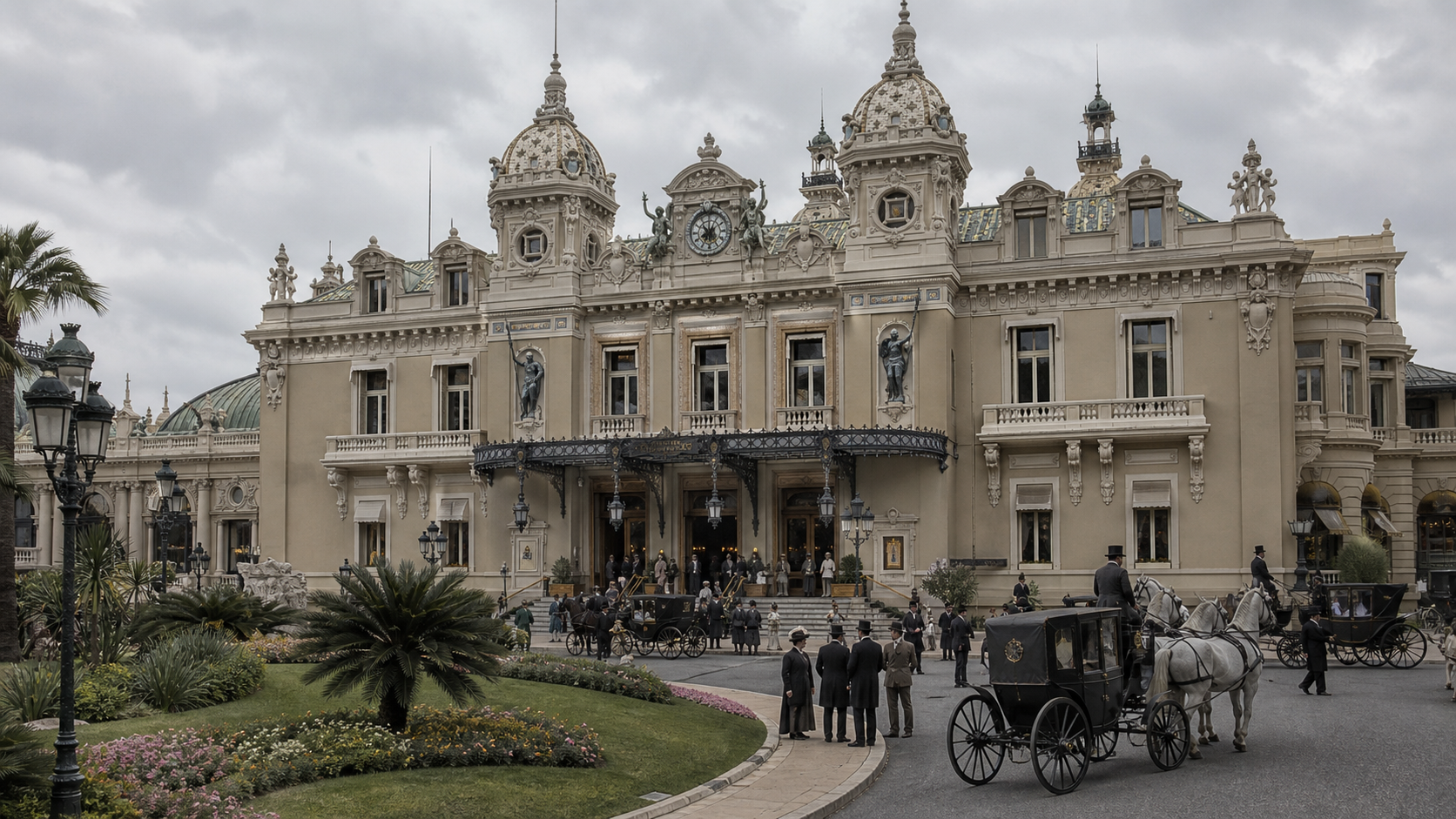
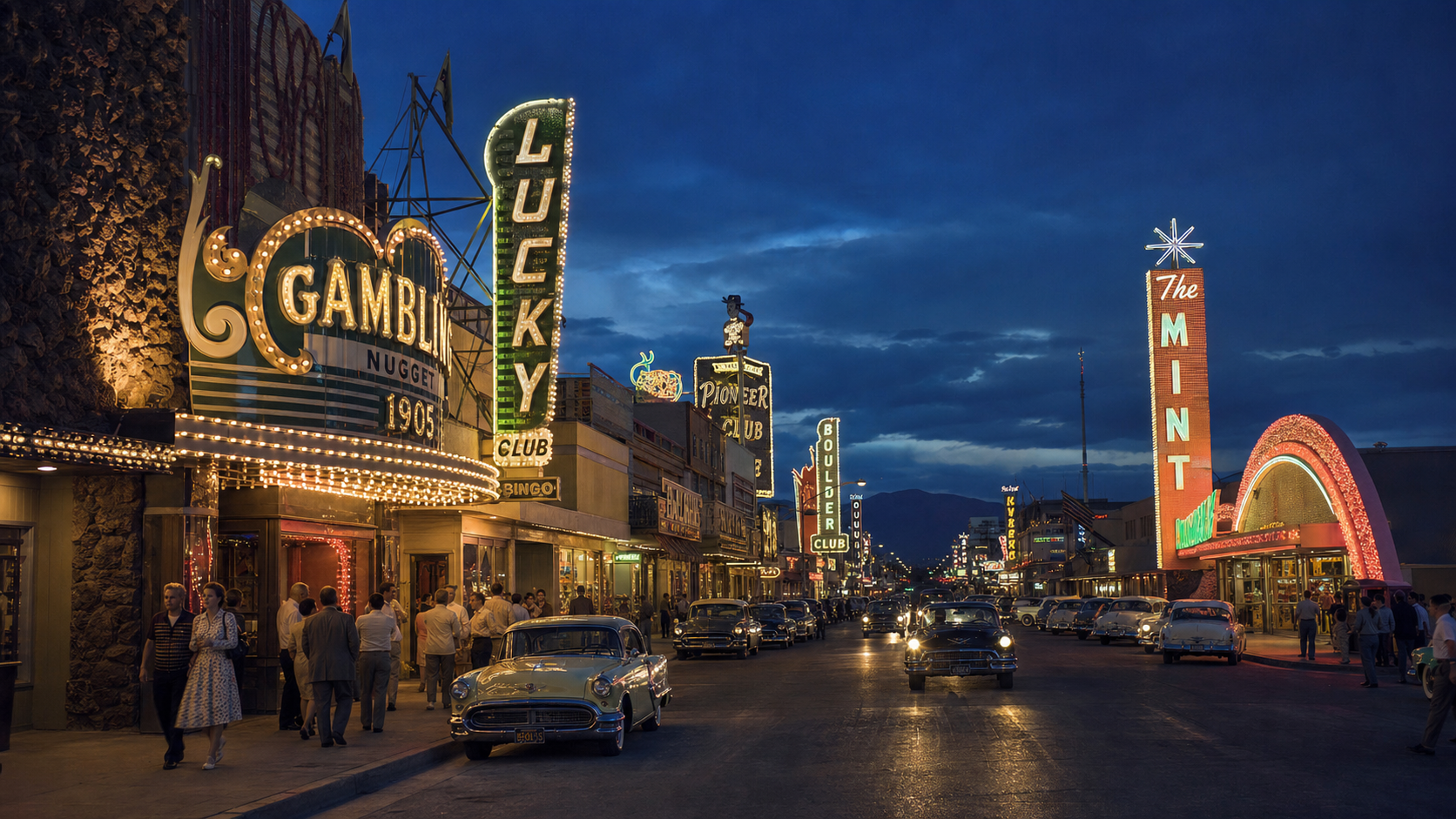
No single line explains the global industry. European resort casinos grew through concession and spa tourism; Nevada developed a more commercial roadside model; Atlantic City used geographic restriction as urban policy; Macau combined a long local tradition with concession-led expansion. Technology moved across all four systems but remained subject to local law.
Key dates in the record
- 1638 the Ridotto opens in Venice
- 1863 François Blanc takes the Monaco concession
- 1931 Nevada legalises casino gambling
- 1976 New Jersey voters approve Atlantic City casinos
- 1978 Resorts Atlantic City opens
- 1989 the Mirage opens in Las Vegas
- 1999 Macau returns to Chinese sovereignty
- 2002 Macau’s concession system is liberalised
Reading change across regions
No single line explains the global industry. European resort casinos grew through concession and spa tourism; Nevada developed a more commercial roadside model; Atlantic City used geographic restriction as urban policy; Macau combined a long local tradition with concession-led expansion. Technology moved across all four systems but remained subject to local law.
Casino history is clearest when buildings, regulation and operating technology are read together.
The record also shows that practices did not move uniformly between jurisdictions. Local licensing, transport, land ownership and tourism shaped both the pace and the form of change.
IMAGES IN THE RECORD

Research note & sources
This overview draws on institutional histories, regulatory chronologies, architectural records and established reference works. Dates are used where the documentary record is consistent.
- Encyclopaedia Britannica, histories of gambling and principal cities.
- Official municipal, regulatory and property archives relevant to the subject.
- David G. Schwartz, Roll the Bones: The History of Gambling .