The most consequential casinos altered circulation, hospitality and the identity of their districts. Monte Carlo made the casino a civic anchor; nineteenth-century Kurhäuser paired gaming with assembly rooms; Las Vegas properties organised complete stays around a gaming core. This register evaluates urban role, architecture, operations and later influence rather than revenue or glamour.
Key dates in the record
- Casino de Monte-Carlo resort finance and cultural programme
- Kurhaus Baden-Baden the spa-casino type
- Flamingo Las Vegas post-war resort modernity
- The Mirage the integrated megaresort
Buildings studied after opening day
The most consequential casinos altered circulation, hospitality and the identity of their districts. Monte Carlo made the casino a civic anchor; nineteenth-century Kurhäuser paired gaming with assembly rooms; Las Vegas properties organised complete stays around a gaming core. This register evaluates urban role, architecture, operations and later influence rather than revenue or glamour.
Casino history is clearest when buildings, regulation and operating technology are read together.
The record also shows that practices did not move uniformly between jurisdictions. Local licensing, transport, land ownership and tourism shaped both the pace and the form of change.
IMAGES IN THE RECORD
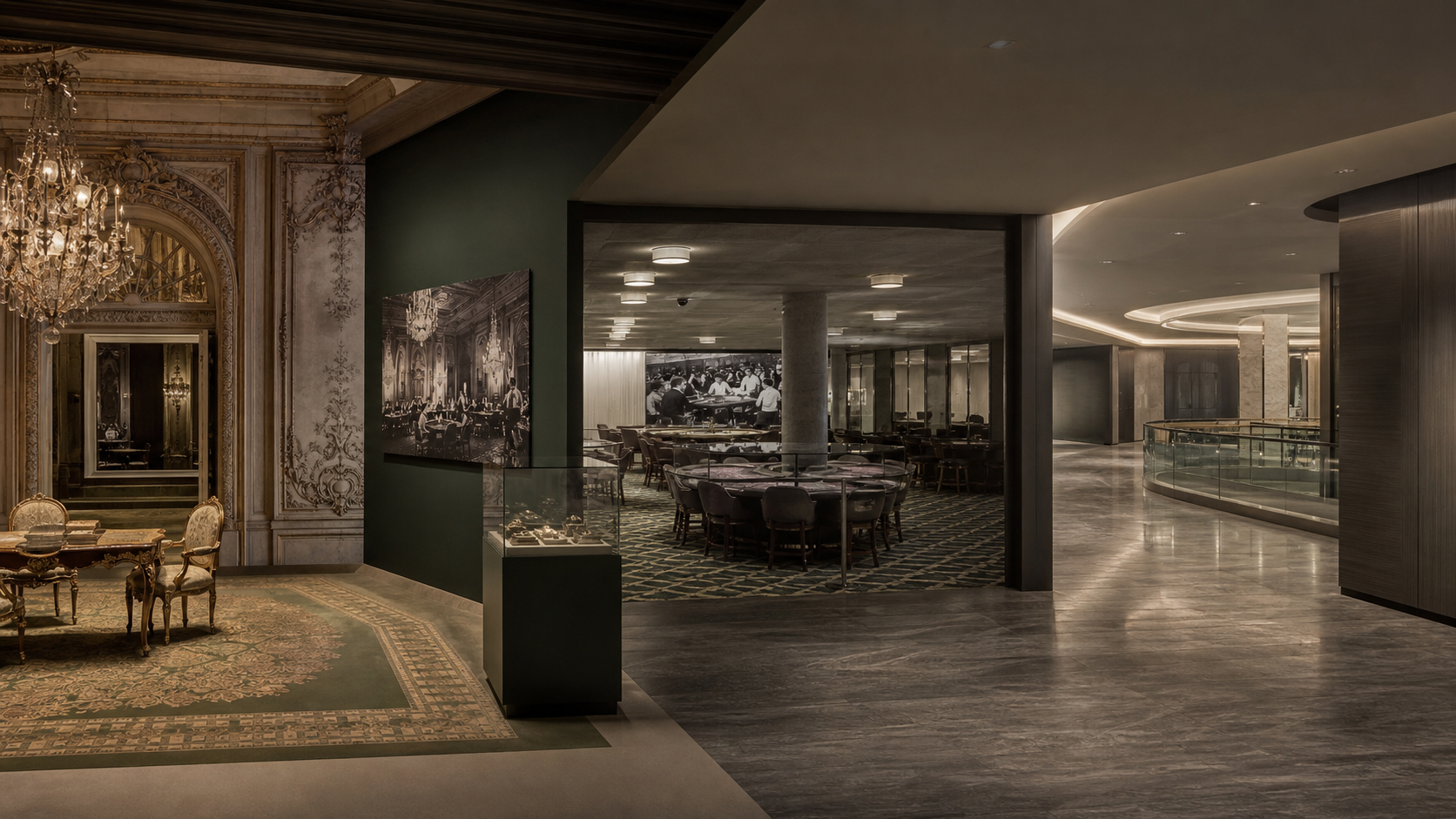
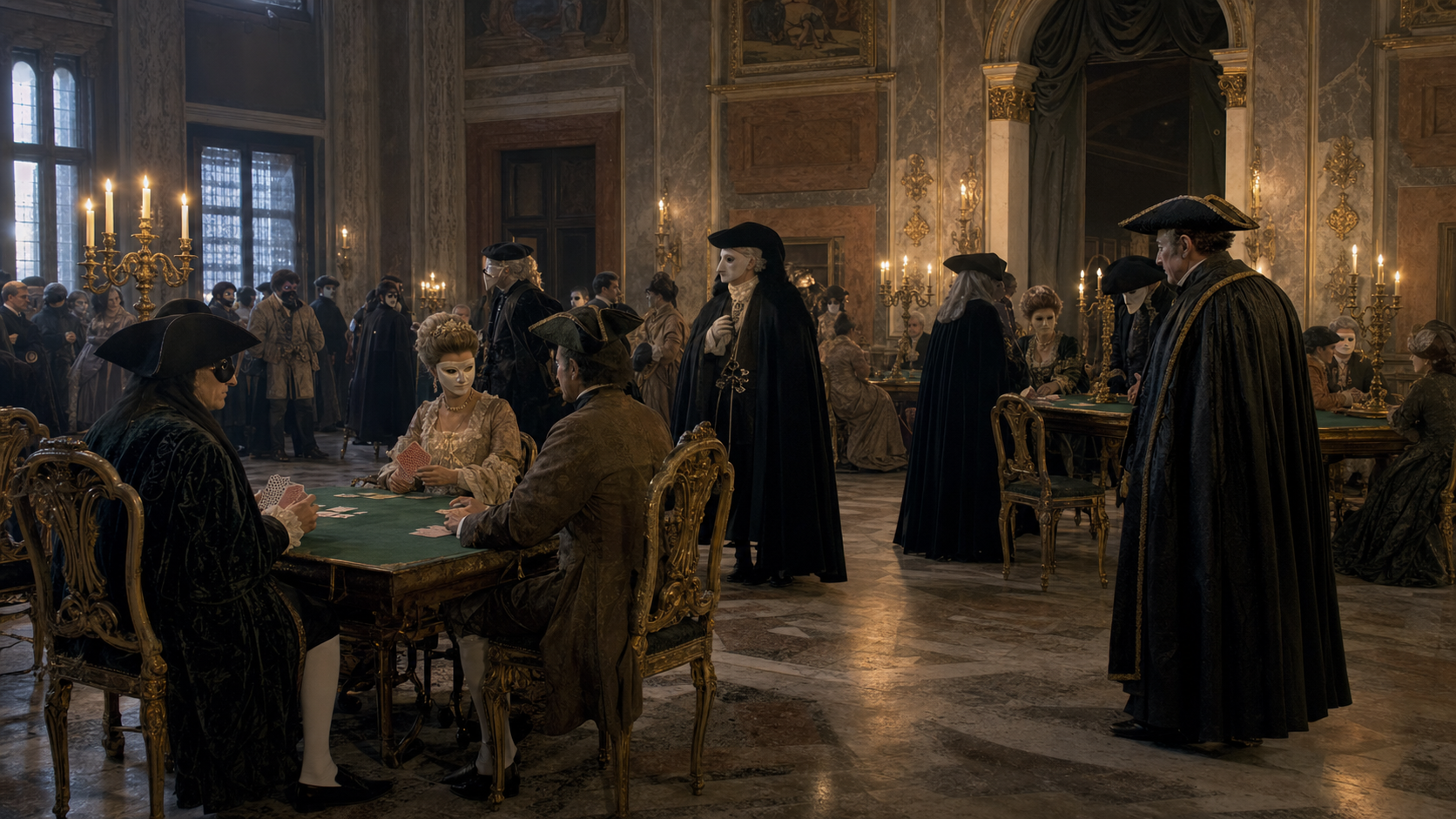
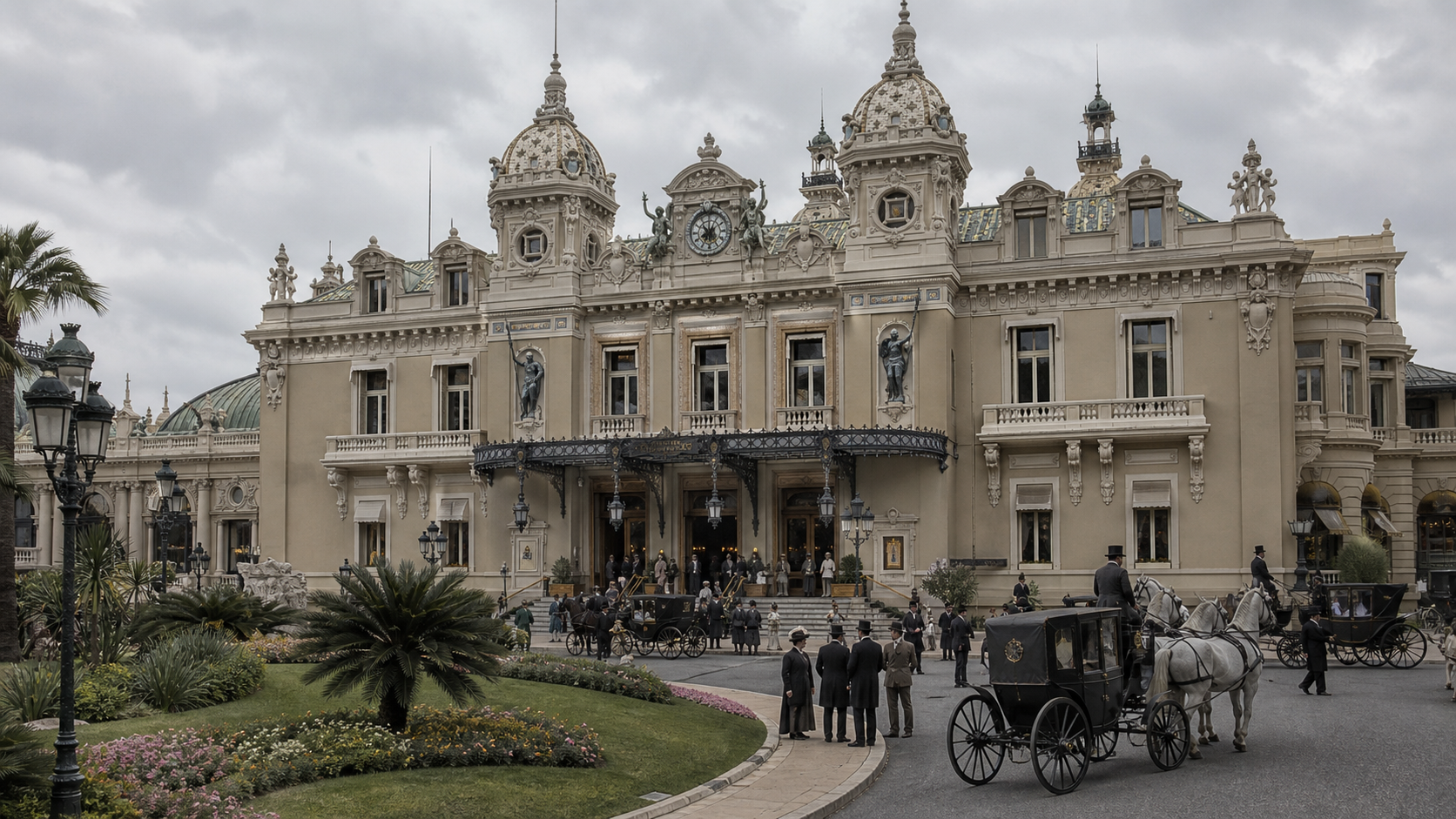
Research note & sources
This overview draws on institutional histories, regulatory chronologies, architectural records and established reference works. Dates are used where the documentary record is consistent.
- Encyclopaedia Britannica, histories of gambling and principal cities.
- Official municipal, regulatory and property archives relevant to the subject.
- David G. Schwartz, Roll the Bones: The History of Gambling .