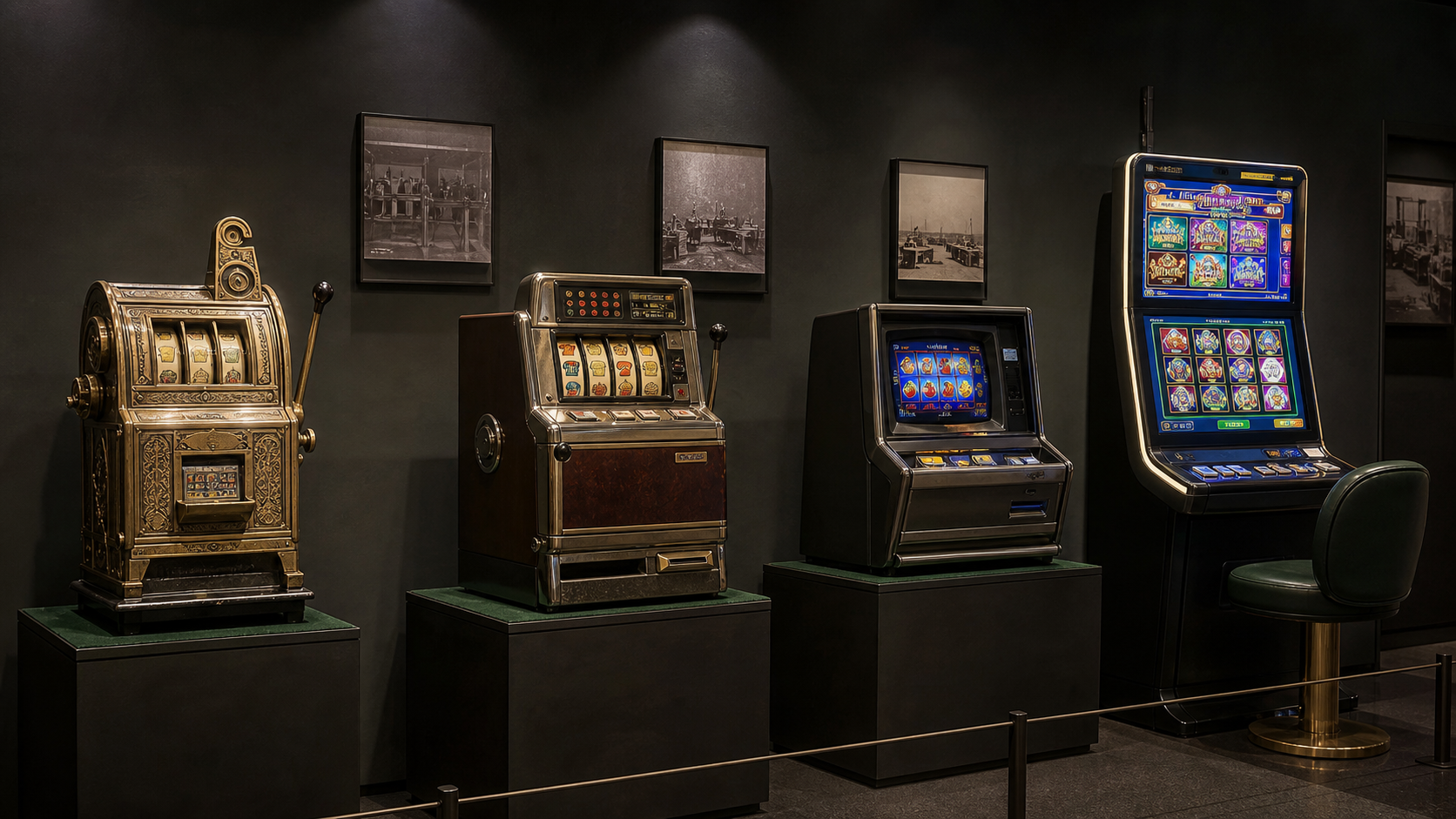
Gaming equipment is tested against jurisdiction-specific standards before deployment. On the floor, management systems record events and meter data; ticket-in, ticket-out reduced coin handling; digital identity and payment tools added new compliance requirements. Reliability, auditability and controlled change remain as important as speed.
Key dates in the record
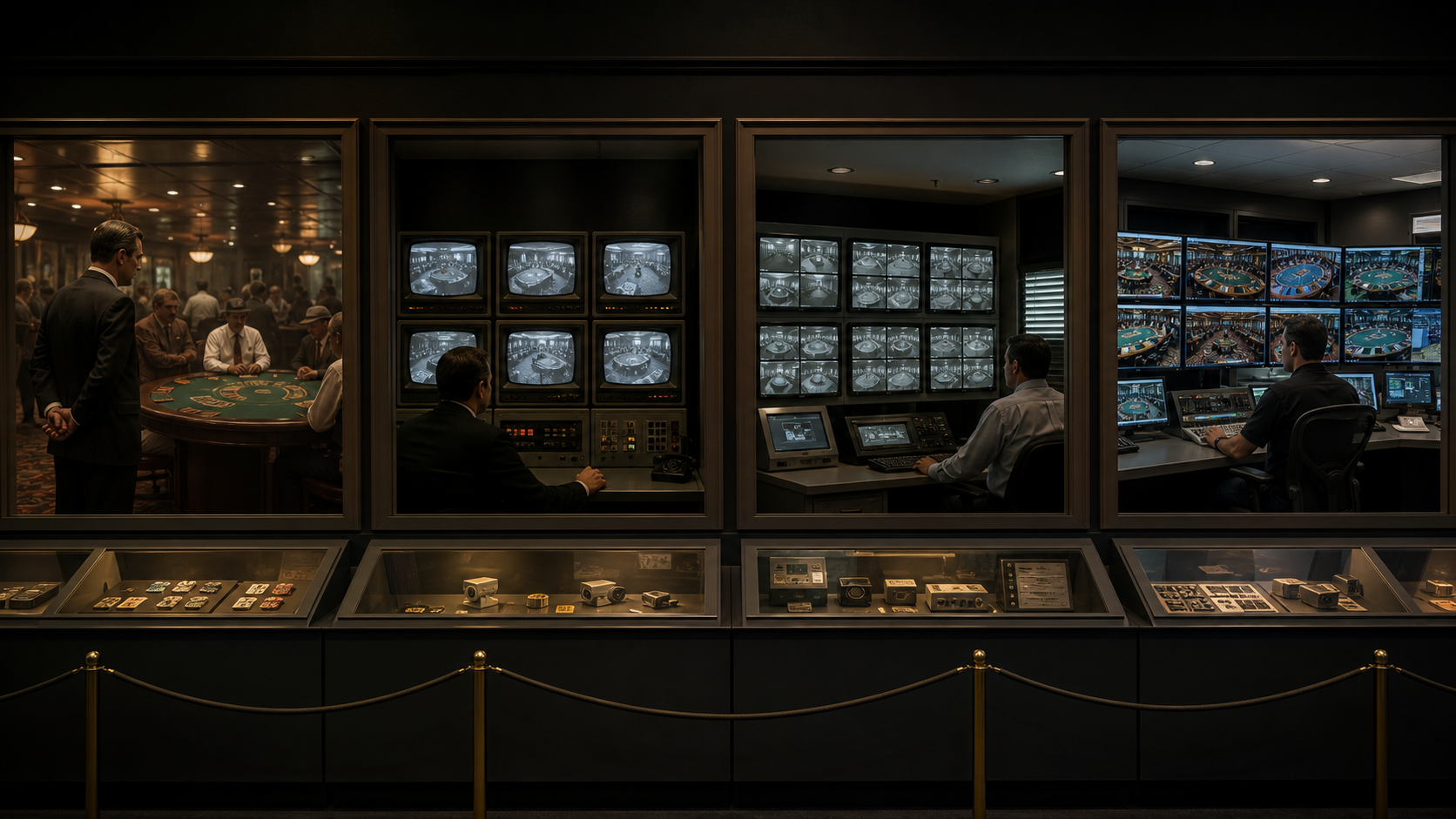
- 1970s computerised monitoring begins to enter operations
- 1980s player tracking and card systems spread
- 1990s ticketing and cashless experiments expand
- 2000s onward networked floors link devices, identity and reporting
A regulated technical estate
Gaming equipment is tested against jurisdiction-specific standards before deployment. On the floor, management systems record events and meter data; ticket-in, ticket-out reduced coin handling; digital identity and payment tools added new compliance requirements. Reliability, auditability and controlled change remain as important as speed.
Casino history is clearest when buildings, regulation and operating technology are read together.
The record also shows that practices did not move uniformly between jurisdictions. Local licensing, transport, land ownership and tourism shaped both the pace and the form of change.
IMAGES IN THE RECORD

Research note & sources
This overview draws on institutional histories, regulatory chronologies, architectural records and established reference works. Dates are used where the documentary record is consistent.
- Encyclopaedia Britannica, histories of gambling and principal cities.
- Official municipal, regulatory and property archives relevant to the subject.
- David G. Schwartz, Roll the Bones: The History of Gambling .